
By Thornical Press –
January 13, 2026
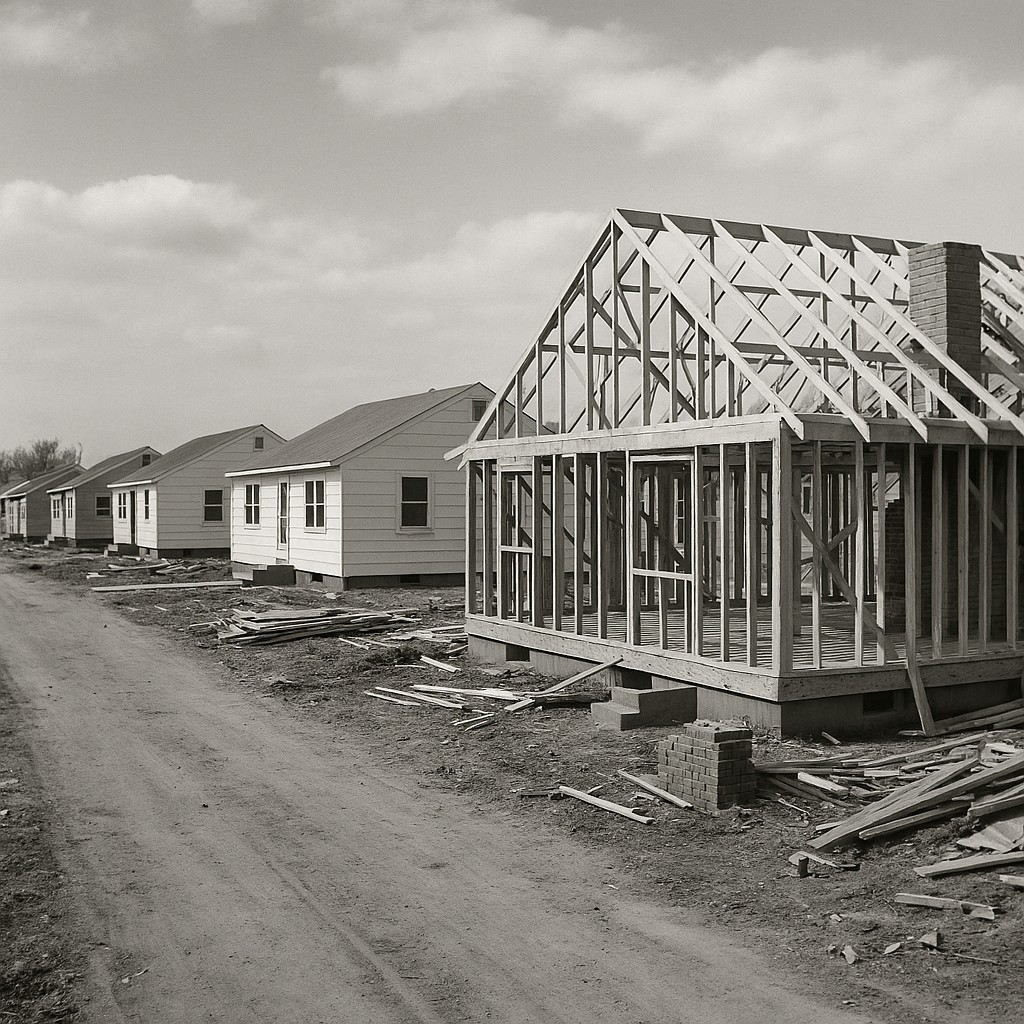
Governor Kathy Hochul on Tuesday announced a sweeping legislative and executive agenda dubbed “Let Them Build,” a centerpiece of her 2026 State of the State address designed to dismantle decades of bureaucratic hurdles that have stalled housing and infrastructure projects across New York. The governor characterized the plan as a “common sense” overhaul of the State Environmental Quality Review Act (SEQRA), arguing that the current system often forces harmless projects into years of needless litigation and study.
The initiative marks a significant shift in the state’s approach to development, targeting a 56 percent gap in project timelines between New York and its peer states. According to an analysis by Empire State Development, manufacturing, housing, and energy projects in the Empire State take more than half again as long to move from concept to groundbreaking compared to other regions. “New York has always been a place of boundless ambitions, from the Erie Canal to the Empire State Building,” Governor Hochul said during the announcement. “But for too long, unnecessary red tape has stood in the way. If local leaders want to deliver new investments for their communities, I say ‘Let Them Build.’”
At the heart of the proposal is an amendment to SEQRA that would exempt specific housing developments from the most arduous layers of environmental review. The governor’s office cited studies showing that state-mandated reviews can delay housing projects by an average of two years and add hundreds of thousands of dollars in costs, even when no significant environmental impact is ultimately found. Under the new plan, New York City would see size caps for exemptions based on neighborhood density, while in the rest of the state, exemptions would apply to projects on previously disturbed land that are connected to existing water and sewer systems.
The administration’s data suggests these reforms are long overdue. A review by state and city housing agencies of over a thousand projects from the last decade found that virtually none resulted in significant environmental impacts, despite being subject to lengthy reviews. The “Let Them Build” agenda seeks to formalize these findings into policy, allowing localities to move forward with projects they desire without sacrificing environmental standards. State officials emphasized that projects must still comply with all air and water quality permits and must be located outside of flood risk areas to qualify for the streamlined process.
Beyond housing, the agenda extends to critical infrastructure including clean water systems, green energy, child care centers, and public parks. The governor intends to adjust SEQRA classifications to fast-track these “beneficial” projects, particularly those located on land that has already been developed or improved. Hochul has also directed the New York Power Authority and the New York State Energy Research and Development Authority to update their internal regulations to expedite clean energy deployment, arguing that building faster actually aids the state’s climate goals by reducing sprawl and protecting undisturbed natural areas.
To address the unpredictability of development, the governor is proposing a strict two-year maximum deadline for the completion of environmental impact statements. Currently, timelines can vary wildly, creating financial instability for both public and private sponsors. The plan would also align the “legal clock” for environmental challenges with the timeline for actual construction permits, such as site plans, to reduce confusion in the courts and prevent eleventh-hour lawsuits from derailing approved work.
Modernization of the state’s aging administrative technology is another pillar of the reform. The Department of Environmental Conservation (DEC) is set to launch “Smart Access,” a real-time digital platform allowing applicants to track permit progress. Additionally, the DEC will develop “Generic Environmental Impact Statements” for common project types, providing a pre-vetted roadmap for developers to follow. These measures are designed to eliminate the “bureaucratic hoops” created by decades-old review processes that have not been updated for the digital age.
The governor’s plan also includes a specific focus on the North Country, where she is proposing a constitutional amendment to redevelop dormant correctional facilities like Camp Gabriels and Moriah Shock. These sites, currently protected by the “Forever Wild” clause, have become eyesores and environmental hazards. Hochul’s proposal would allow these specific sites to be converted into housing and productive use while simultaneously adding new, pristine acreage to the Forest Preserve to ensure a net win for conservation.
To support smaller municipalities that may lack the staff to navigate these new rules, the state will launch a “Permitting Academy” in partnership with Regional Economic Development Councils. This program will offer workshops and best-practice guidance to help local leaders maximize the new tools at their disposal. For the state’s most massive undertakings—such as the Interborough Express (IBX) transit line or new nuclear generation projects—a specialized oversight program will be established to coordinate federal, state, and local permitting, ensuring that projects of statewide significance do not languish in administrative bottlenecks.



 Thornical Press