
By Thornical Press
January 27, 2026
The British government has unveiled the most significant overhaul of the veterinary sector in six decades, promising to slash costs for millions of pet owners and modernize a system that officials say has become increasingly opaque. The sweeping reforms, announced today, follow a damning investigation by the Competition and Markets Authority (CMA) which revealed that households could be overpaying by as much as £1 billion over the next five years. With veterinary fees currently rising at nearly twice the rate of inflation, the government’s intervention aims to bring transparency to a market where 60% of practices are now owned by large corporate groups rather than local practitioners.
Under the new proposals, vet practices will be legally required to publish price lists for common treatments, allowing owners to “shop around” and avoid the “sticker shock” of unexpected bills. In a move to foster greater competition, businesses must also clearly disclose their ownership structures so that consumers are aware if their local clinic is an independent surgery or part of a massive national chain. For the first time, every veterinary practice will be required to hold an official operating license, bringing the industry in line with the regulatory standards seen in GP surgeries and care homes.
The news has been met with relief by pet owners across the country who have struggled to balance animal welfare with the rising cost of living. “It’s about time someone looked under the bonnet of how these clinics are run,” said one local resident in Hastings, who wished to remain anonymous. “I love my dog like family, but lately, it feels like you need a second mortgage just for a check-up. Knowing the prices upfront and who actually owns the practice will make a world of difference to people around here who just want fair treatment for a fair price.”
Beyond cost-cutting, the reforms seek to bolster the veterinary profession itself by providing legal recognition for veterinary nurses. By bringing nurses and allied professionals into a formal regulatory framework, the government hopes to free up surgeons for specialist care and reduce the long wait times currently plaguing many clinics. The Royal College of Veterinary Surgeons (RCVS) is also set for a governance makeover, replacing a structure that has remained largely untouched since 1966 with a modern model designed to reduce conflicts of interest and improve public trust.
The government has also pledged to simplify the complaints process, making it easier for customers to raise concerns while shifting the disciplinary focus from “past mistakes” to current competence. This modernized approach is intended to support vets and nurses in their roles rather than relying on purely punitive measures. As part of a broader Animal Welfare Strategy, these measures are now subject to an eight-week consultation period. Ministers insist the changes are essential not only for the pockets of pet owners but for the long-term stability of the UK’s animal health standards and food security.
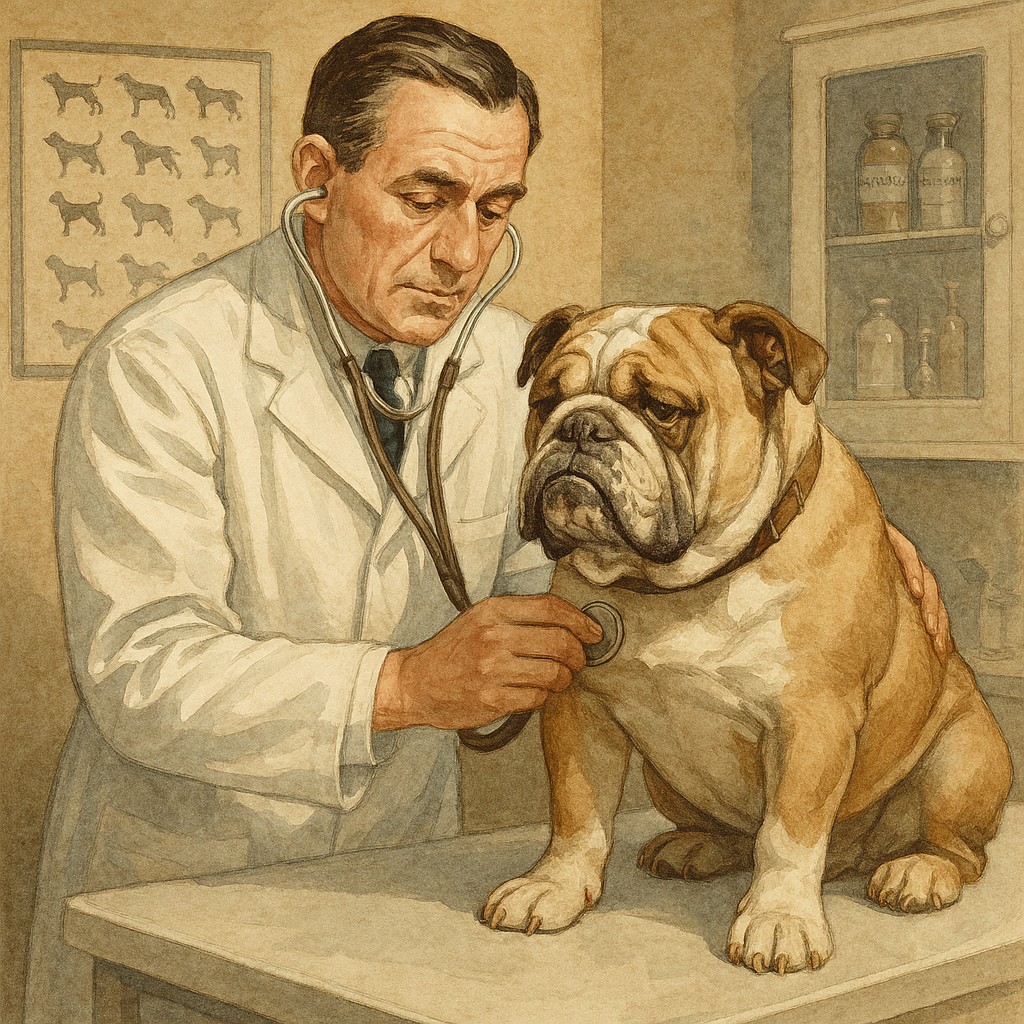
Feature image: English Bulldog – Thornical Press Artist

 Thornical Press